West Ham House Clearance — Recycling and Sustainability
West Ham House Clearance is committed to building an eco-friendly waste disposal area and promoting a truly sustainable rubbish area across every job we undertake. Our approach focuses on reuse, high-quality recycling and reducing the carbon footprint of clearance work. We treat each property as a source of materials that can be diverted from landfill, whether that is furniture, textiles, electrical items or construction waste. This page explains our targets, local partnerships, practical recycling activity in line with borough policies, and the low-carbon transport we operate to support an eco-conscious waste management system.We have set an ambitious recycling percentage target to drive continuous improvement. Our current organisational aim is to achieve a 85% reuse and recycling rate for all household and commercial clearances by 2028, with interim milestones to ensure steady progress. This target covers materials recovered for direct reuse, refurbishment, material recycling and energy recovery where appropriate. By prioritising reuse we reduce demand for energy-intensive manufacturing and help deliver a genuine green waste disposal area model rather than simple waste collection.
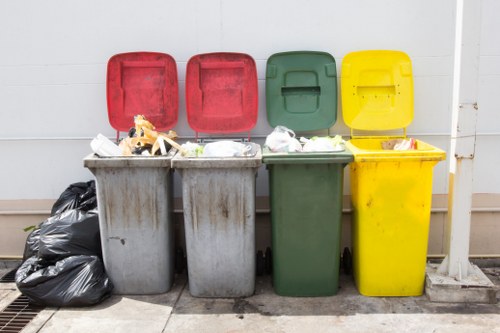
 Our work is shaped by the boroughs’ approach to waste separation: many local boroughs require separation of glass, paper/card, mixed recycling, and food waste, while bulky and electronic items follow specialist routes. We closely follow these local separation schemes and adapt our on-site sorting to match council guidance. That collaboration ensures residents and landlords benefit from consistent, locally appropriate disposal practices.
We operate in close partnership with local transfer stations and materials recovery facilities to keep collections within the circular economy. These transfer stations act as the backbone of our eco-friendly waste disposal area network and allow us to rapidly move separated streams to the right processing route. Typical local transfer stations we use include municipal and private sites that accept:
- Furniture and bulky household items for reuse/refurbishment
- WEEE (electrical and electronic equipment) for safe recycling
- Metals and construction rubble for processing at MRFs and recycling yards
Charity and Social Partnerships
We maintain strong partnerships with charities and social enterprises that take high-quality used furniture, clothing and household goods for reuse. Items that are reusable are offered to charity partners first; this gives them a second life and supports community needs. Our charity partners operate local drop-off and collection programmes and handle redistribution within the boroughs. By donating serviceable items we create social value while keeping materials out of waste streams.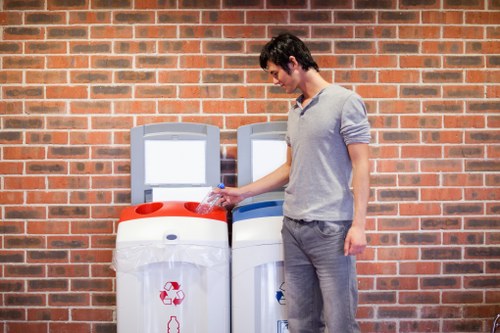 Where items cannot be reused, we work with specialist recyclers who can recover valuable materials from complex products. Our preferred recycling partners deliver documented processing reports so we can track tonnages and materials recovered, helping us meet and report against our recycling percentage target.
Our fleet is a vital part of delivering a low-impact eco-conscious waste management service. We operate a mix of low-carbon vans and vehicles designed for urban clearances, including electric light vans and Euro 6 diesel alternatives for longer trips. For dense inner-borough deliveries and small item collections we pilot cargo bikes and electrically assisted trailers, reducing idling and emissions in built-up areas. These measures support a tangible reduction in operational CO2 and help us maintain a sustainable rubbish area footprint across the towns we serve.
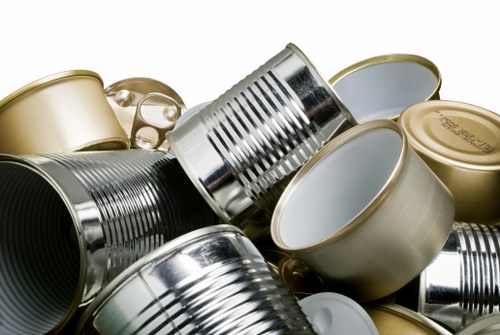 Practical recycling activity we routinely undertake includes separation of:
- WEEE: fridges, TVs, small appliances—handled under WEEE regulations
- Textiles: graded for reuse or recycling into industrial rags and insulation fibres
- Furniture: refurbished or dismantled for parts and recycling
- Metals and timber: sorted to recycling streams or reclaimed for resale
- Hazardous items: collected and disposed of at licensed facilities following borough rules
 Creating a properly managed sustainable rubbish area also means on-site sorting at the property and clear segregation into reusable, recyclable and residual flows. We invest in portable sorting kits and training for crews so that materials arrive at transfer stations already separated — this increases recycling yields and reduces contamination. Our internal reporting tracks each clearance job for materials recovered, including weights and destinations.
Transparent Reporting and Continuous Improvement
We publish periodic summaries of our recycling performance so partners and communities can see progress toward our 85% target. These summaries emphasise continuous improvement measures: expanding electric vehicle coverage, deepening charity partnerships and expanding the list of accepted materials at our local transfer station partners. We believe transparency and measurable goals are central to a credible sustainable rubbish disposal strategy.Finally, West Ham House Clearance values the role of local councils, transfer stations and charities in building a functioning circular system. By combining practical on-site sorting, targeted donation routes, documented recycling chains and a low-carbon vehicle fleet we deliver an integrated and resilient eco-friendly waste disposal area. Our commitments are practical, measurable and focused on keeping material value in the local economy while cutting carbon and landfill dependence.
As we progress, we will continue to refine our operations in step with borough policies on waste separation, extend partnerships with social enterprises and increase the share of electrified vehicles in the fleet — all to protect resources and create a genuinely sustainable rubbish area for our communities.